

Certified payroll requirements under the Davis-Bacon Act can be complex—especially when it comes to worker classification. One of the most common questions contractors ask is whether 1099 workers can be used on prevailing wage jobs.
In most cases, no. Workers performing labor on prevailing wage projects must be treated as W-2 employees, even if they are paid as 1099 contractors. Misclassification can lead to compliance violations, rejected payroll reports, and potential penalties.
What Is a 1099 Worker in Construction?
A 1099 worker is typically considered an independent contractor who operates their own business, controls how work is performed, and is not treated as an employee for tax purposes. These workers are usually responsible for their own taxes, insurance, and business expenses.

Can You Use 1099 Workers on Certified Payroll Jobs?
In most cases, no.
Laborers and mechanics working on federally funded construction projects must be paid according to prevailing wage laws and reported on certified payroll. This requirement applies regardless of how the worker is classified for tax purposes.
Even if a worker receives a 1099, they may still need to be treated as a W-2 employee for certified payroll compliance.
Why 1099 Classification Doesn’t Work for Certified Payroll
Worker classification under IRS rules does not override Davis-Bacon requirements.
Certified payroll compliance is based on:
- The type of work performed
- The level of control over the worker
- Whether the worker is functioning as a laborer or mechanic
In most cases, workers performing core construction tasks must be classified as employees and included in certified payroll reporting.
When Are 1099 Workers Allowed on Certified Payroll?
There are limited situations where 1099 workers may be used, including:
- Bona fide owner-operators
- Independent businesses with their own equipment and control over work
- Situations approved by the contracting agency
These cases are rare and typically require clear documentation and justification.

How Should You Report Workers on Certified Payroll?
For workers performing covered labor:
- Treat them as W-2 employees for the project
- Pay prevailing wage rates (including fringe benefits)
- Report them on certified payroll (e.g., WH-347)
If a true independent contractor is used:
- Documentation should clearly support their classification
- Reporting requirements may vary depending on the agency
What Are Common 1099 Certified Payroll Mistakes?
Common mistakes include:
- Treating laborers as independent contractors
- Failing to include workers on certified payroll
- Not paying prevailing wage rates
- Assuming IRS classification determines compliance
- Not tracking hours or classifications correctly
These errors can lead to rejected payroll reports, payment delays, and potential penalties.
Wage Determination and Classification Still Apply
Even when dealing with independent contractors, wage determinations and work classifications still matter.
Contractors must:
- Use the correct wage determination
- Assign proper classifications based on duties
- Ensure total compensation meets prevailing wage requirements
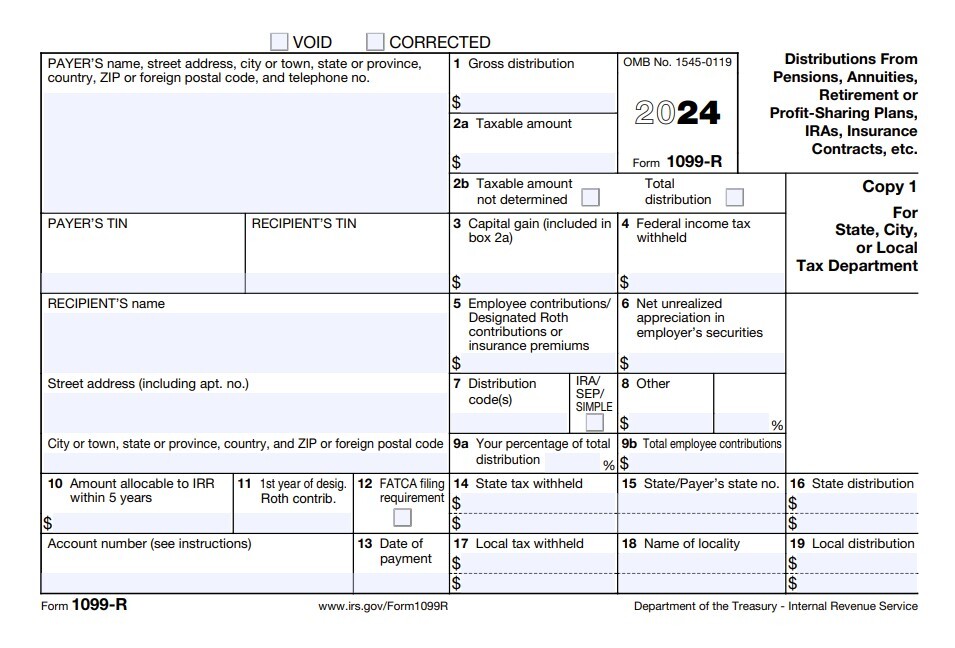
FAQs About 1099 Workers and Certified Payroll
Do 1099 workers need to be paid prevailing wage?
Yes, if they are performing covered labor on a prevailing wage project.
Can you submit WH-347 for 1099 workers?
If the worker is performing covered work, they should typically be reported on certified payroll.
What happens if a worker is misclassified?
Misclassification can result in back wages, penalties, and compliance issues.
Are subcontractors the same as 1099 workers?
No. Subcontractors are separate businesses, while 1099 workers may still be subject to classification rules depending on their role.
How eBacon Helps Simplify Compliance
Misclassifying workers between 1099 and W-2 is one of the most common compliance risks in certified payroll.
eBacon helps contractors:
- Track worker classifications
- Align wage determinations
- Manage certified payroll reporting
- Maintain audit-ready documentation
Final Takeaways
- Most workers on prevailing wage projects must be treated as W-2 employees
- 1099 classification does not override certified payroll requirements
- Misclassification can lead to serious compliance risks
- Proper reporting and documentation are critical for staying compliant
Understanding how worker classification impacts certified payroll is essential for avoiding costly mistakes and ensuring smooth project execution.
The material presented here is educational in nature and is not intended to be, nor should be relied upon, as legal or financial advice. Please consult with an attorney or financial professional for advice.